Major anchor place
Copper Harbor at a glance
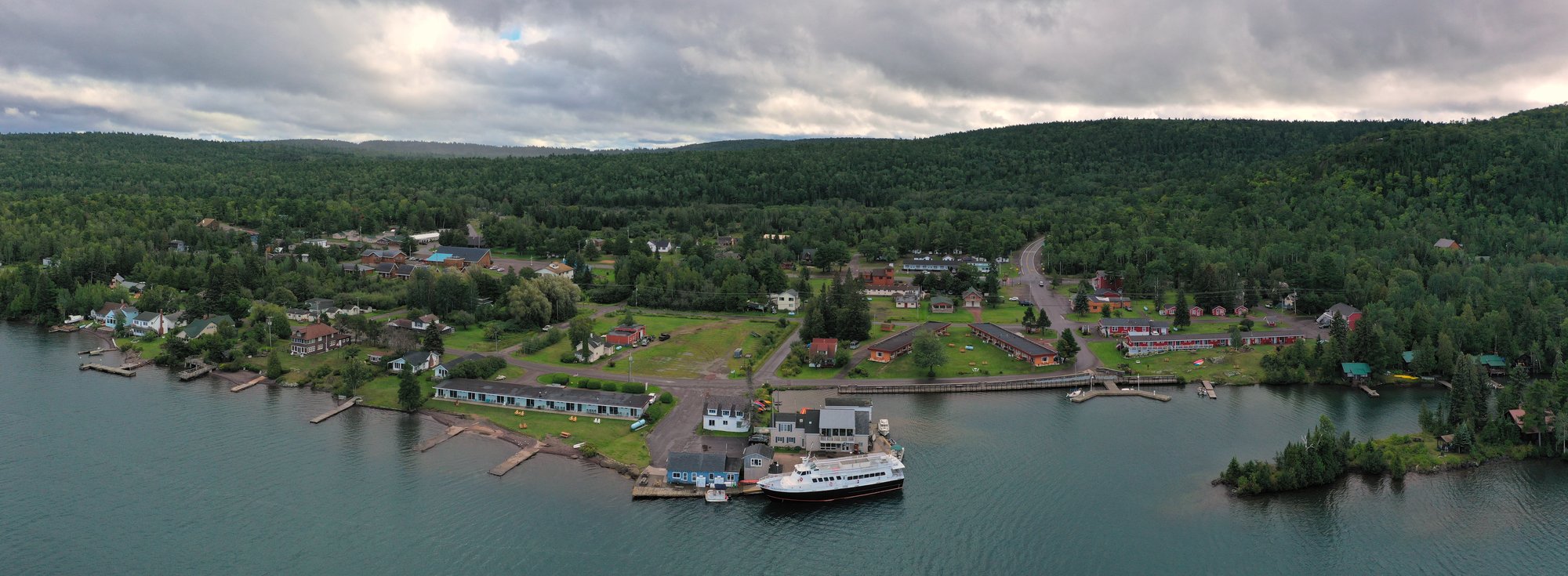
Copper Harbor is Route 41’s northern terminus-area anchor and the finish of the Miami-to-Keweenaw corridor. MDOT identifies US 41 as continuing through the Upper Peninsula to Copper Harbor, but future copy should retain cautious terminus-area language rather than assigning the federal highway endpoint to a village center, park entrance, monument, or attraction without exact official geometry. Copper Harbor, Fort Wilkins, M-26, Brockway Mountain Drive, Lake Superior shoreline sites, lighthouses, heritage locations, lodging, and recreation are related but separate destination layers.
Northbound, treat Copper Harbor as a deliberate finish that requires weather, daylight, fuel, lodging, and return-route planning before leaving the Houghton-Hancock service area.
Route 41 at 100
Copper Harbor and the original northern endpoint story
At map level, original US 41 broadly ran from Naples to Copper Harbor when the numbered system received final approval in 1926. That makes Copper Harbor the original northern-endpoint anchor for the centennial story, while local alignments remain separate questions. Read the Route 41 centennial history.
Fall driving · Seasonal guide
Visiting during the leaf-color season? The Keweenaw fall-color guide keeps US 41 distinct from M-26 and Brockway Mountain Drive, with dated local color observations and a practical northern return plan.
How to use Copper Harbor on Route 41
1 · Planning cue
Choose the stop role first
Northbound, treat Copper Harbor as a deliberate finish that requires weather, daylight, fuel, lodging, and return-route planning before leaving the Houghton-Hancock service area.
2 · Planning cue
Use direction to shape the stop
Southbound, leave the terminus area only after checking conditions and confirming the first major reset in Hancock and Houghton.
3 · Planning cue
Keep the route and destination layers distinct
Keep US 41, M-26, village streets, Fort Wilkins, Brockway Mountain Drive, shoreline destinations, lighthouses, heritage sites, and trails distinct.
Why Copper Harbor is the Route41 finish
Copper Harbor is the emotional and geographic payoff for the Upper Peninsula and Keweenaw approach. The final Keweenaw approach has a different rhythm from the earlier city and freeway chapters: getting to the northern terminus area is a milestone, but it does not by itself complete the traveler’s plan.
Treat the route’s conclusion in the Copper Harbor area as a destination decision. Lodging, daylight, weather, fuel, meals, and the shape of the southbound return all matter before arrival. Hancock is the final paired-city and service gateway before the last leg, though it is not immediately adjacent to Copper Harbor. Settle the remaining questions there rather than carrying them into the finish.
Planning the final approach
Head north with enough margin to experience the finish, not merely reach it. Before the final approach into Copper Harbor, check current official sources for road and seasonal conditions, then settle the plan for fuel, weather, daylight, lodging, and the first stage of the return.
Village arrival is only one layer of the decision. Shoreline time, parks, scenic roads and overlooks, trails, historic destinations, and water-oriented activities each need their own plan and current access check. They should not be assumed to be adjacent, open, or practical in a short visit.
Northbound arrival and southbound return
Northbound, use Hancock as the final paired-city planning gateway. Arrive with a clear sense of whether Copper Harbor is an arrival evening and overnight, a deliberate final day, a focused village or shoreline stop, or the start of a longer outdoor or historic visit.
Southbound planning deserves equal weight because Route 41 has no northbound continuation beyond the finish. Decide whether Copper Harbor is the final overnight or the beginning of the return day, and know where the first southbound reset will occur. Before leaving, check daylight, weather, fuel, and lodging; then treat Houghton–Hancock, Marquette, and Escanaba as successive planning contexts rather than one assumed chain of services.
Village, shoreline, and separately planned destinations
Keep the signed terminus-area route task distinct from Copper Harbor village, the harbor and shoreline, parks and historic destinations, scenic roads and overlooks, trails and outdoor recreation, and boating or other water-oriented activities. Lodging, meals, and local services are another planning layer, not a promise that every option will be available when you arrive.
The Copper Harbor area can reward a broader stay, but it is not a general attraction checklist. Choose the destination layer that fits the time, conditions, and return plan you actually have.
How much time the finish deserves
Copper Harbor can work as an arrival evening and overnight, a deliberate final day, a focused village or shoreline stop, a longer outdoor or historic visit, or a settled finish before a planned southbound departure. The right amount of time depends on what you intend to do after the route concludes in the Copper Harbor area.
The least satisfying version is often a touch-and-turn arrival that leaves no room for the place itself or for a safe, considered return. Build the finish around the purpose of the trip rather than a fixed duration.
Practical route utility
Conditions in the final Upper Peninsula run can change. Check current official sources for weather, visibility, daylight, construction, seasonal road conditions, and the status of parks, trails, harbor operations, tours, and local businesses before committing to a plan.
Keep fuel, food, lodging, communications, and the return route as live planning questions rather than evergreen assumptions. A little preparation before the final approach makes it easier to enjoy Copper Harbor as the finish instead of treating it as a hurried turnaround.
Route layers to use from Copper Harbor
Use these pages to move from the stop-level decision back to the state chapter, the connected trip shape, and the wider Route 41 corridor.
State context
Michigan
Use the state gateway when you need the larger corridor sequence, branch distinctions, and the next cross-state handoff.
Connected trip
Chicago to Copper Harbor
Use the Wisconsin and Upper Peninsula trip frame for the northern finish.
Whole corridor
Route 41 overview
Zoom out when this stop needs to be compared with the full Miami-to-Copper Harbor road sequence.
Nearby route handoff
Hancock
Open the nearby place guide when the next decision is where to pause, reset, or continue on the corridor.
Related existing pages
- Chicago to Copper Harbor Road Trip frames the northern run as a bounded trip.
- Upper Peninsula finish in the Route Overview places Copper Harbor in the final chapter of the full corridor.
- Hancock is the previous public Route 41 place and the final paired-city service gateway; it is not an adjacent stop.
- Places returns to the existing public place guide.